
From Ground Break to Dried-In: What to Expect on Your Build
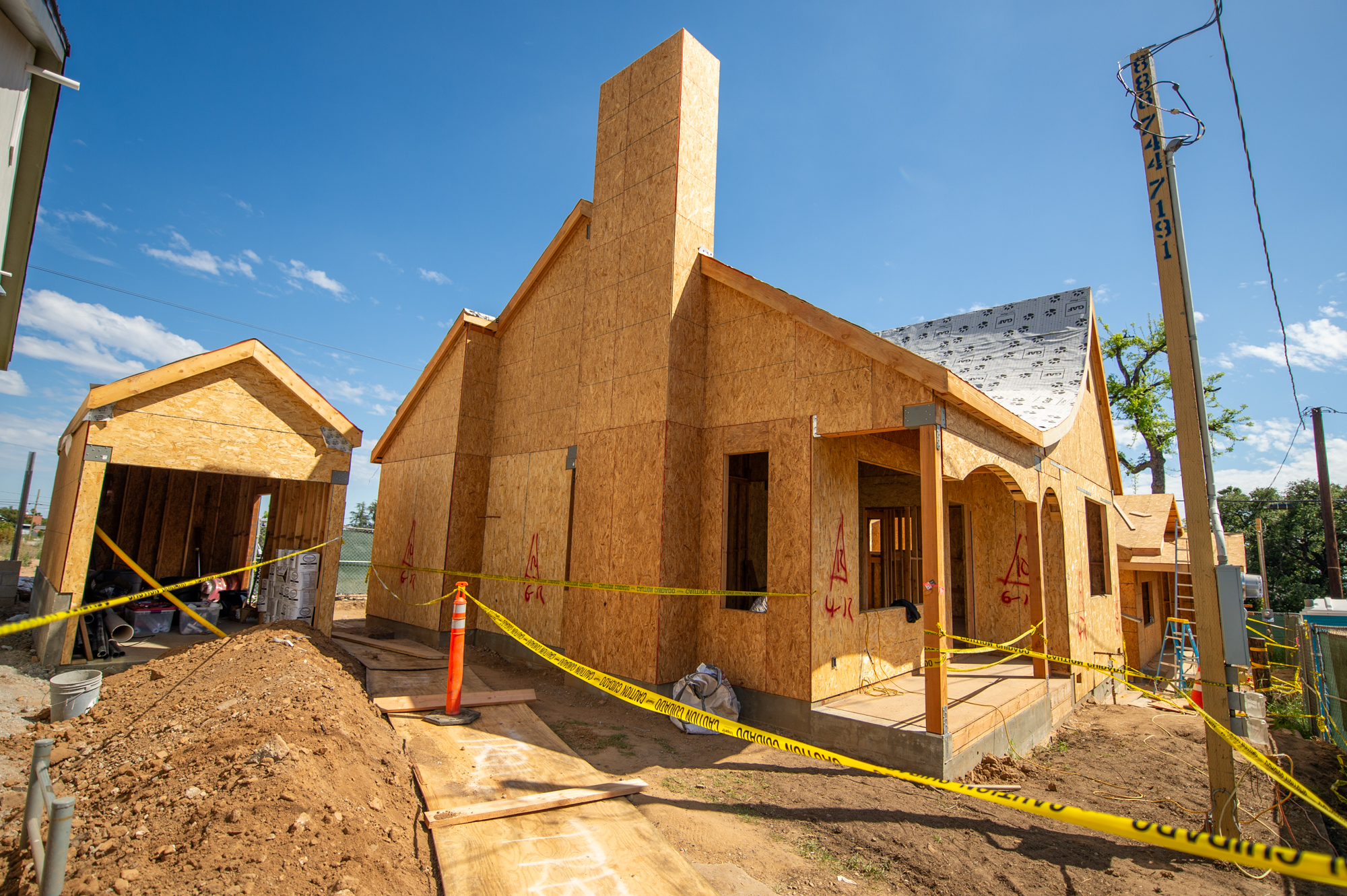
Building or rebuilding a home involves hundreds of decisions, and the ones made early — before the first shovel breaks ground — shape everything that follows. At a recent community event, we spent an evening answering questions from homeowners navigating exactly this process. Here's what came up most.
Do you need a grading plan?
It depends on your slope and the scope of your project. For like-for-like rebuilds on slopes of 2% or less, a grading plan is typically not required. If your slope is steeper, or if your project differs from the original footprint — a different layout, added square footage, an ADU — you'll need one. This affects your permitting timeline and budget, so it should be one of the first things assessed. We look at this before anything else moves forward.
Does a structural engineer need to sign off on the foundation?
Yes — and not just on paper. A structural engineer draws the foundation plans and then comes to the site to verify the pour was executed correctly. They provide a signature of approval before inspection. This is a non-negotiable step, and it's worth asking any contractor you're considering whether it's standard practice for them.
How long does concrete need to cure?
For a monolithic pour, 72 hours before tying in anchor bolts, hold-downs, and beginning framing. For a two-pour approach, 24 hours between the first and second pour. Rushing this is one of the most common construction shortcuts — and one of the most expensive problems to deal with after the fact.
What about sump pumps and drainage?
We run sump pumps from the lowest point of the property out to a stormwater drain. During a power outage the pump won't operate — that's unavoidable — but we design the basin so the pump can be replaced without tearing up surrounding work. We also integrate it with landscaping so it doesn't become an eyesore in the finished yard.
What's the issue with Edison and SoCal Gas on rebuilds?
These are two of the biggest scheduling variables on any project right now and both come down to timing.
For Edison, we file meter spot paperwork the same day permits are pulled. Miss that window and you can lose months. For SoCal Gas, we initiate contact at least 65 days out — they require a 45-day lead time minimum, and gas meter placement has to avoid egress windows and meet their specific requirements. Getting ahead of both is standard practice for us. Falling behind on either can stall a project significantly.
Should you run solar conduit during the build even if you're not installing solar yet?
Always. Running conduit during the foundation stage costs almost nothing at the time of construction. Retrofitting it later is expensive and disruptive. We run solar conduit on every project, and we also set up underground conduit for future Edison underground power — getting ahead of when utilities eventually move lines underground. These are small decisions during construction that save real money later.
Wood, steel, or LVL — what's the right framing for your project?
Douglas Fir is the standard and it's reliable. But it isn't the only option. Steel, pour-in-place concrete, and LVL beams all have their place depending on your site and structural needs. Within wood framing, you can upgrade to two-by-sixes, two-by-eights, or treated redwood. Redwood is a California native material that performs exceptionally well and is genuinely beautiful when used structurally.
What insulation do you use — and what does "fully dried in" mean?
Our standard is R-30 in ceilings and R-13 on floors, with spray foam on all seams, window areas, and bathrooms. The spray foam at those junction points is what actually seals the building envelope. Without it, you can have technically adequate insulation values and still end up with a drafty, inefficient home. Fully dried in means the structure is completely sealed against air and moisture before interior work begins. Soundproofing between rooms and floors is also available if that's a priority.
Can you do smooth hand-troweled stucco?
Yes, but it's labor-intensive — it requires a skilled plasterer to spend roughly three weeks hand-rubbing on site — and it's not recommended for properties with significant moisture exposure. The most reliable exterior finishes are 30/20 and 20/20 textures. They read as clean and finished, hold up well, and are easier to maintain and repair over time. If you love the smooth look, the right question is whether your specific site and budget make it the right call.
What about fireproofing?
We design with one-hour rated fire materials as required by code. Additional fire-rated doors and assemblies can be incorporated depending on the project. This is something to address during the planning phase — not after framing is underway.
Have questions about your specific project? We're happy to walk through it with you. Get in touch with Enhaus.